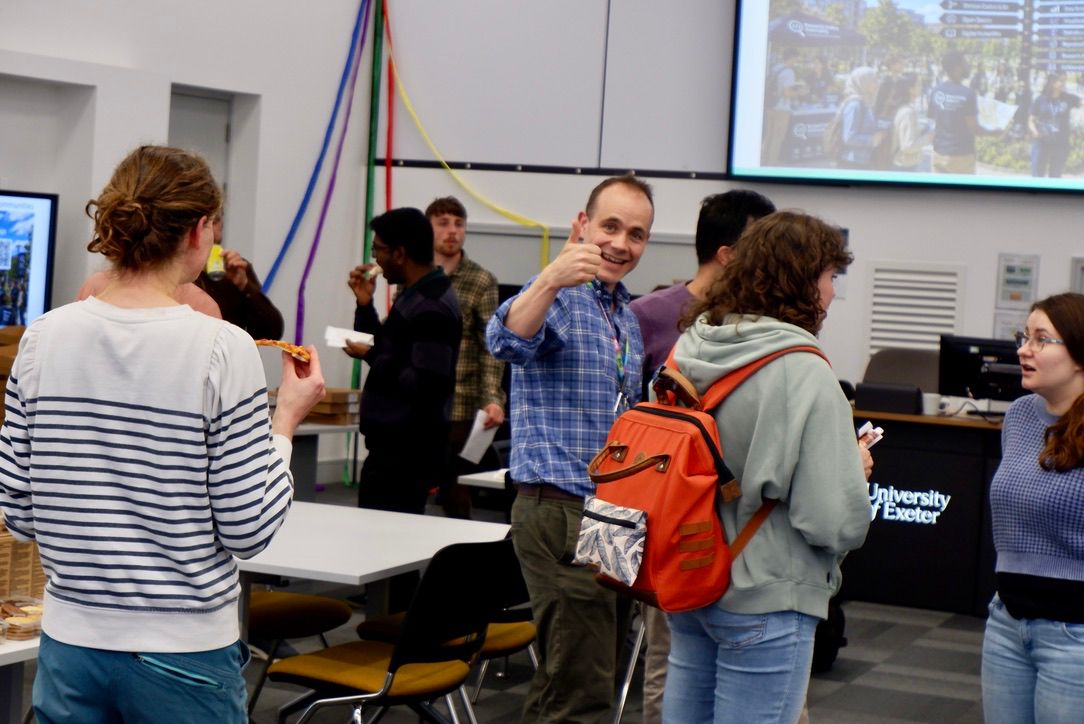
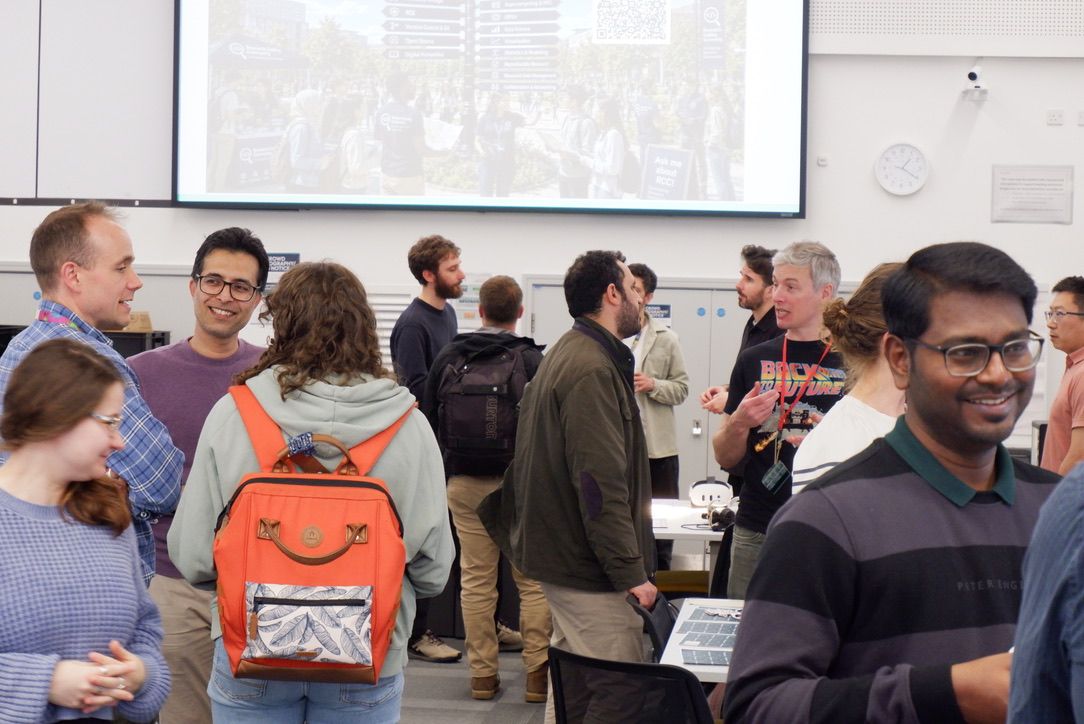
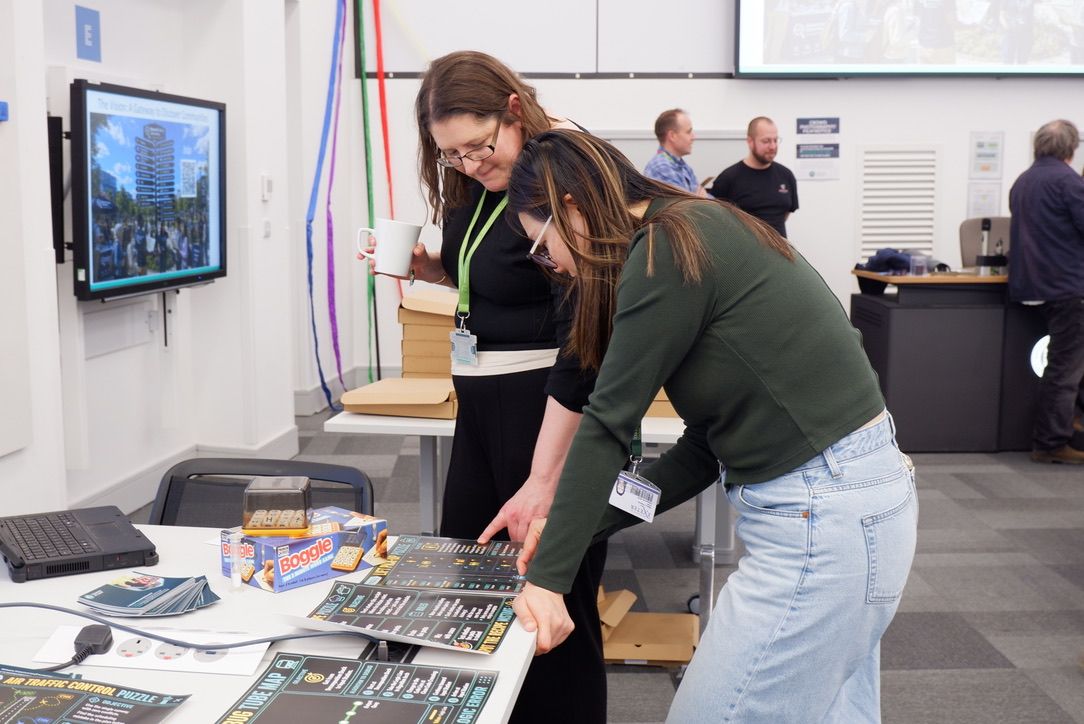
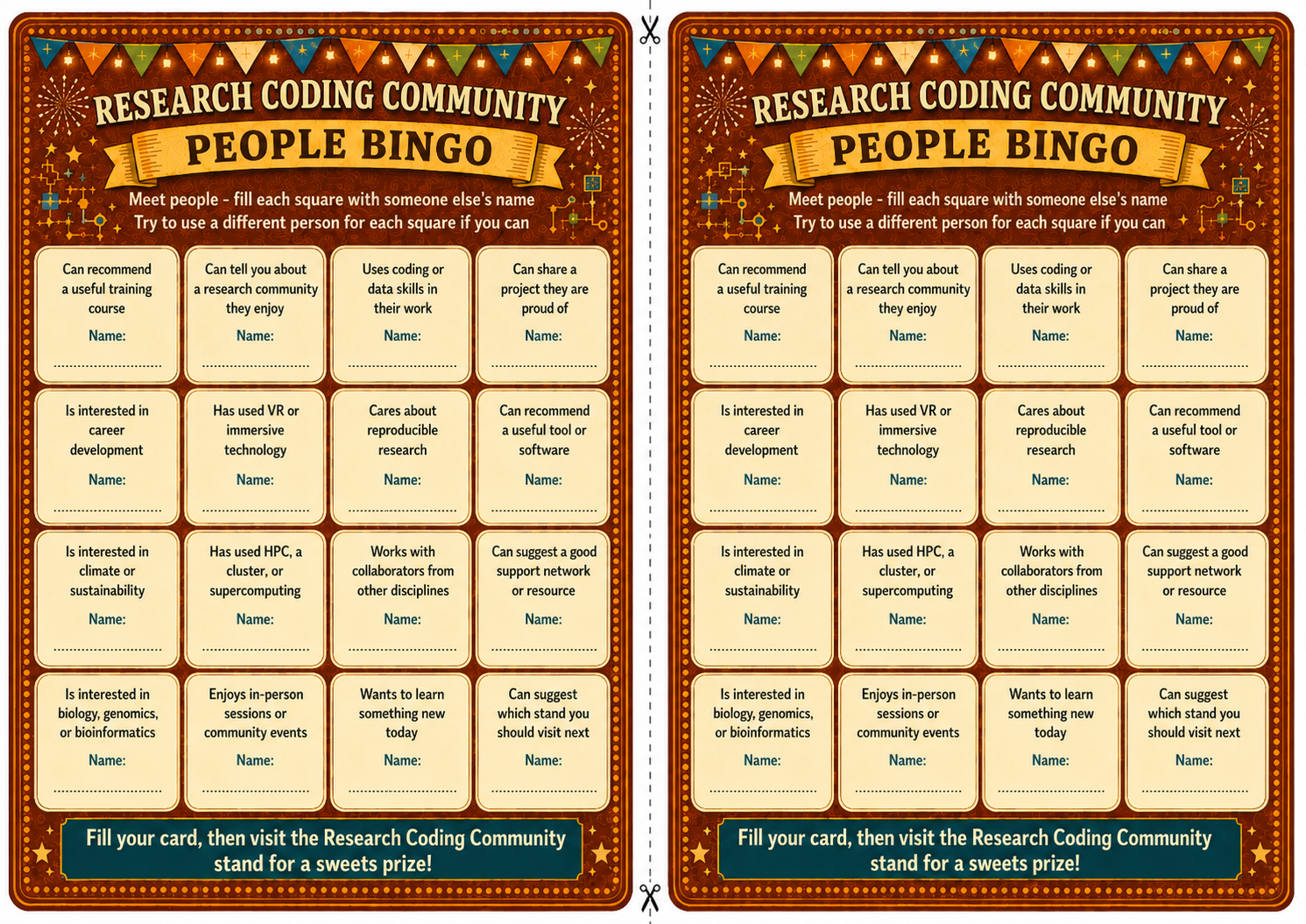
The Research Coding Community Fair was designed as a practical way
to make research coding support, training, tools, communities, and
expertise more visible across the University. Rather than running
the event as a formal conference or workshop, the organising
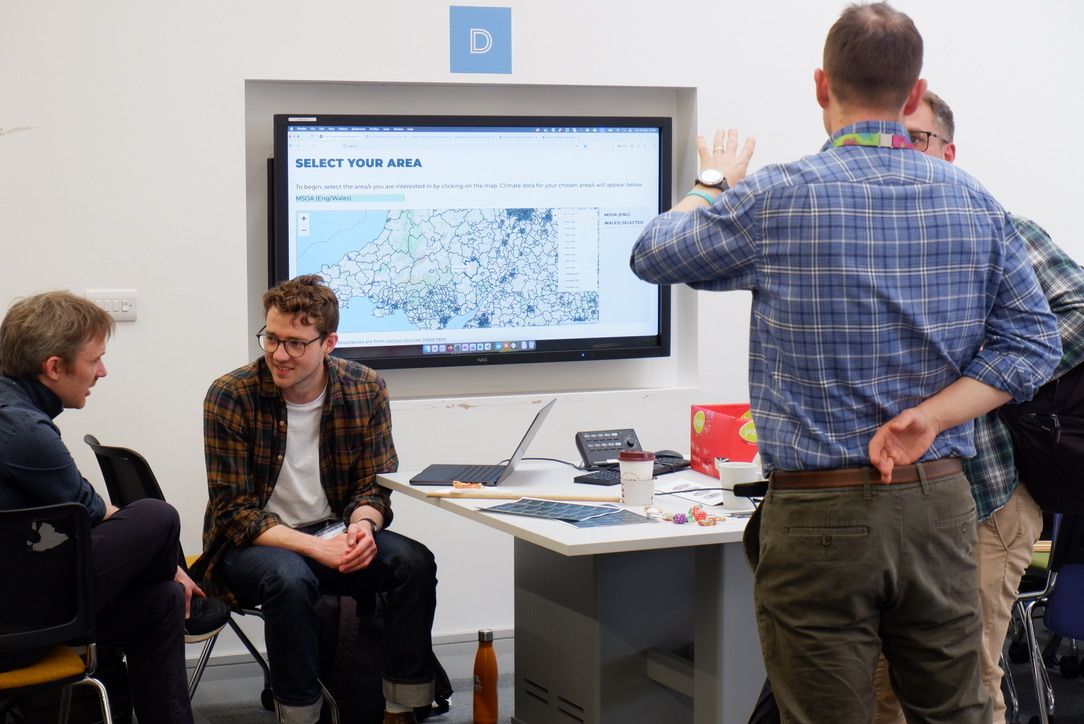
committee chose an informal fair format, where attendees could move
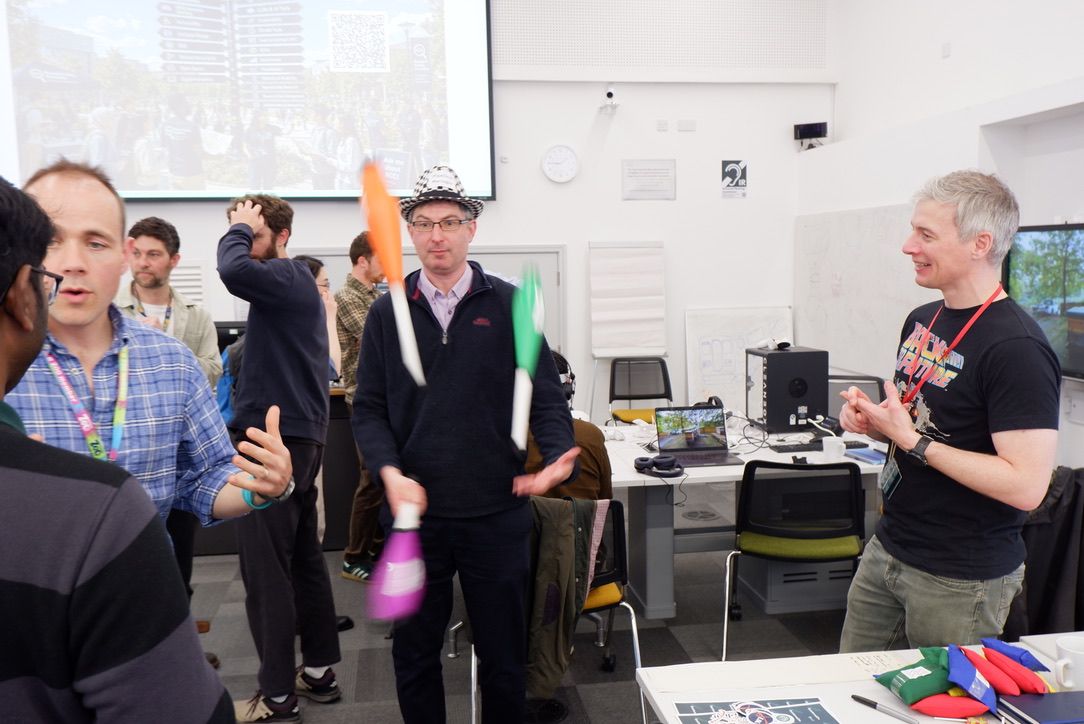
between stands, speak to people directly, and use activities such as
People Bingo to start conversations, with a short one hour speaker
session in the middle of the fair to anchor the event.
Overall, the format worked well. Around 90 people signed up to
attend, with 6 stands and 7 speakers contributing across the
afternoon. The event created a shared space where researchers,
technical staff, trainers, community leads, and professional
services colleagues could meet, discover existing support routes,
and make connections across disciplines. This was particularly
valuable because many of the communities and services represented at
the fair already existed, but were not always visible to the people
who could benefit from them.
Feedback from attendees was very positive. Across the 8 responses
received, the event scored an average of 4.5 out of 5 for
usefulness, 4.75 out of 5 for being welcoming and accessible, and
4.5 out of 5 for how easy it was to understand what was available.
Seven out of eight respondents also said that the fair helped them
discover support, training, tools, or communities that they were not
previously aware of. This suggests that the event was successful in
meeting one of its central aims: lowering the barrier to finding and
engaging with research coding support.
Several strengths were identified in the feedback. Attendees valued
the welcoming atmosphere, relaxed structure, clear organisation, and
opportunity to meet people from a range of technical and research
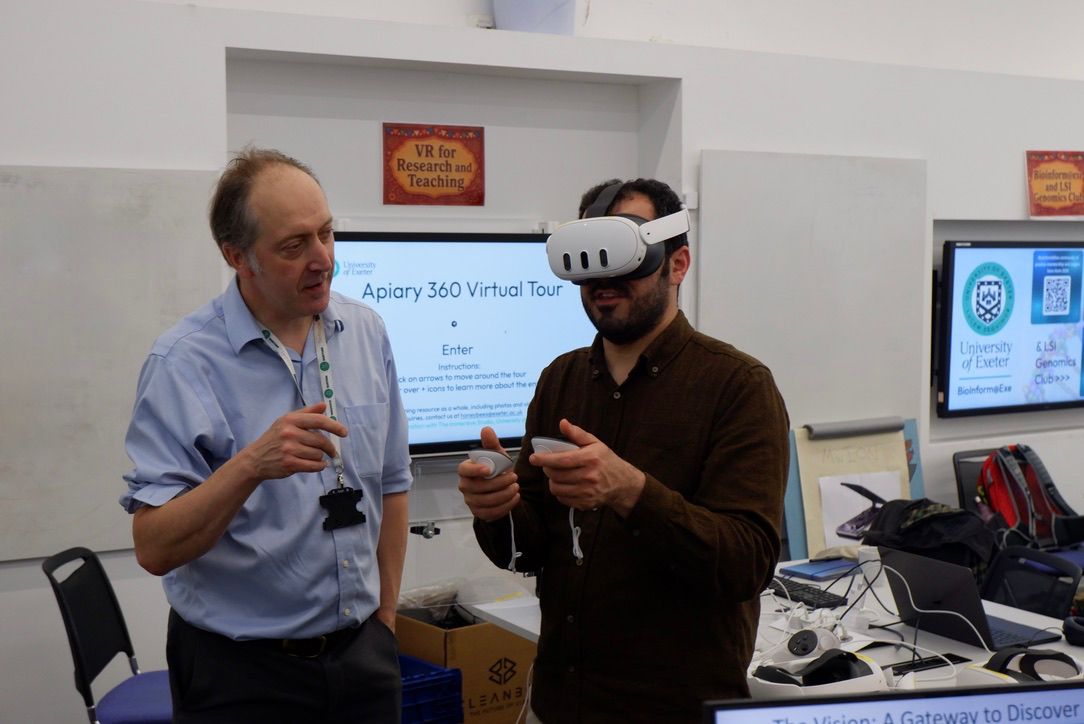
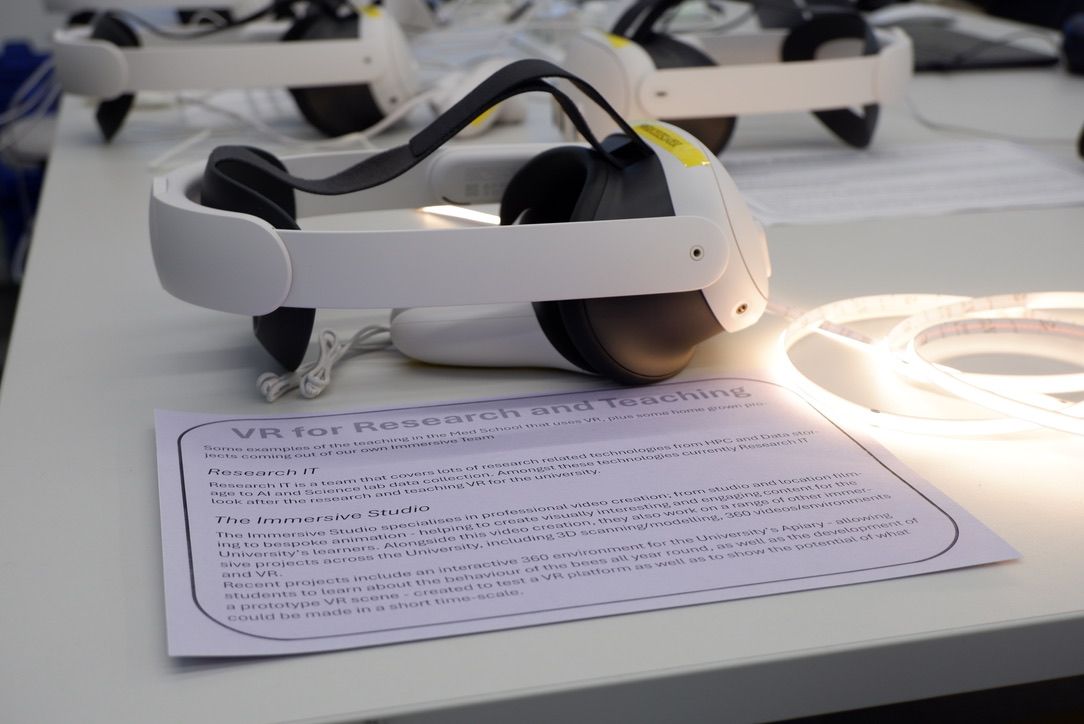
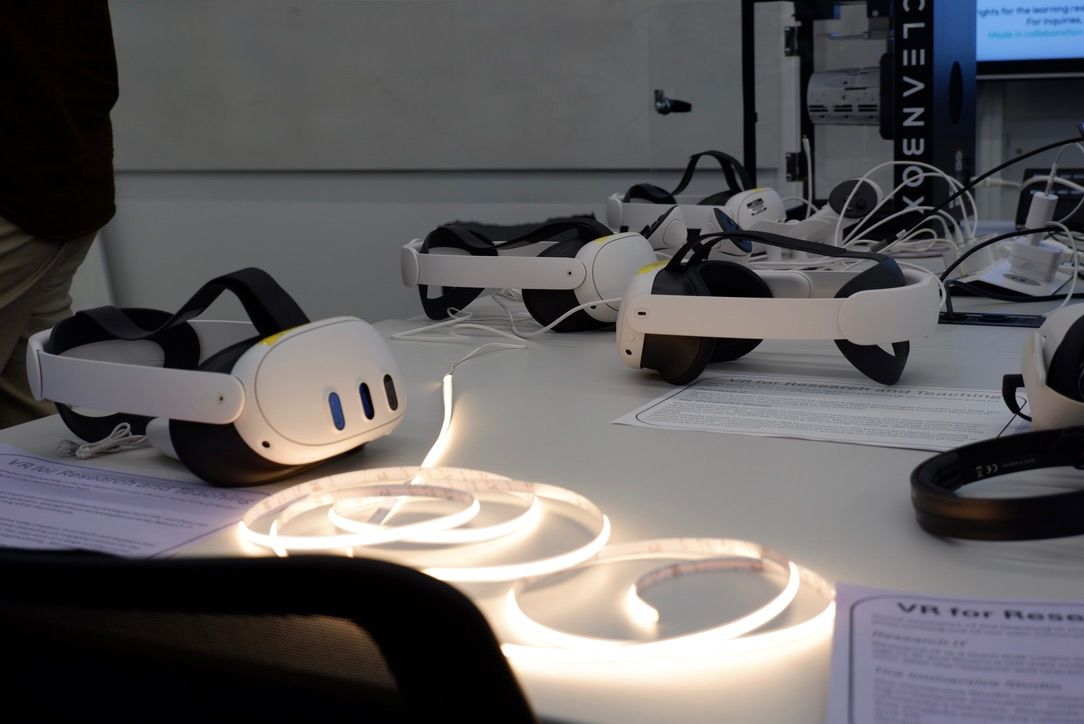
backgrounds. The in-person format was also important, particularly
for demonstrations such as the VR stand and for supporting informal
networking, including for early career researchers and newer
community members.
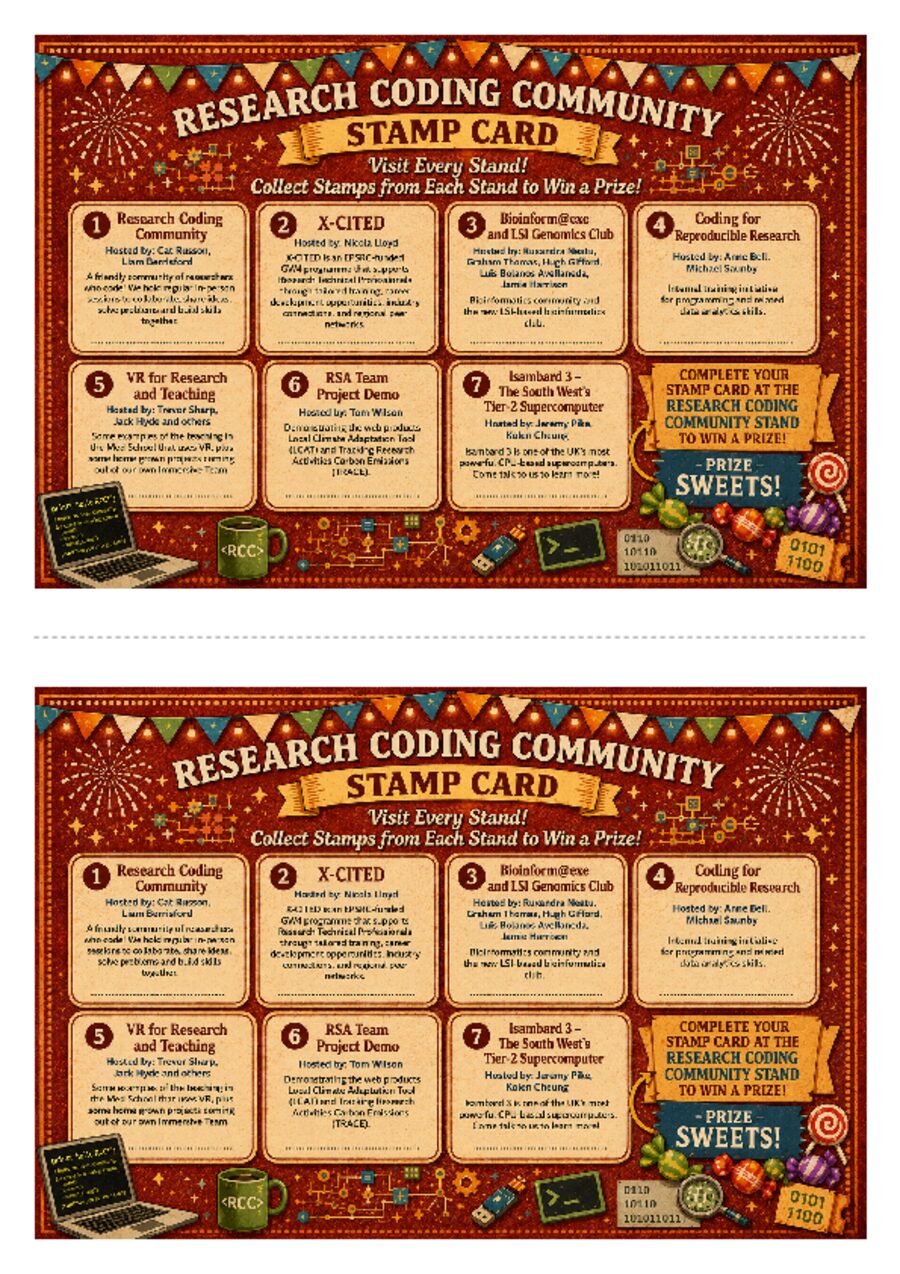
The feedback also highlighted useful lessons for future events. One
key lesson was that informal formats benefit from light structure.
Activities such as People Bingo helped encourage conversation, but
future fairs could build this in more deliberately through a stamp
card, bingo-style challenge, or guided prompts that encourage
visitors to engage with a wider range of stands.
Another lesson was the importance of active engagement from stand
holders. The most effective stands invited conversation,
demonstrated something tangible, or gave visitors a clear reason to
stop and ask questions. For future events, we will provide clearer
guidance for stand holders in advance, including suggestions for
short demonstrations, conversation starters, interactive activities,
and exemplar outputs.
The speaker session helped anchor the event and provided a shared
sense of purpose, but feedback suggested that the talks could feel
fast paced. In future, we will review the structure and timing of
this part of the fair so that the talks remain engaging while
allowing enough time for attendees to understand the examples being
presented and how they connect to the wider community.
The venue and layout also provided useful learning. While the shared
room helped create a visible and active event, some hands-on
activities may benefit from more carefully planned space. Future
fairs could make clearer use of zones for posters, demonstrations,
talks, quieter conversations, and interactive activities, helping
attendees navigate the event more easily.
A further area for development is follow-up. Future fairs should do
more to turn conversations into lasting collaboration, including
clearer post-event signposting, shared contacts and resources,
follow-up sessions, and examples of projects, training, tools, or
outputs that have emerged through Research Coding Community activity.